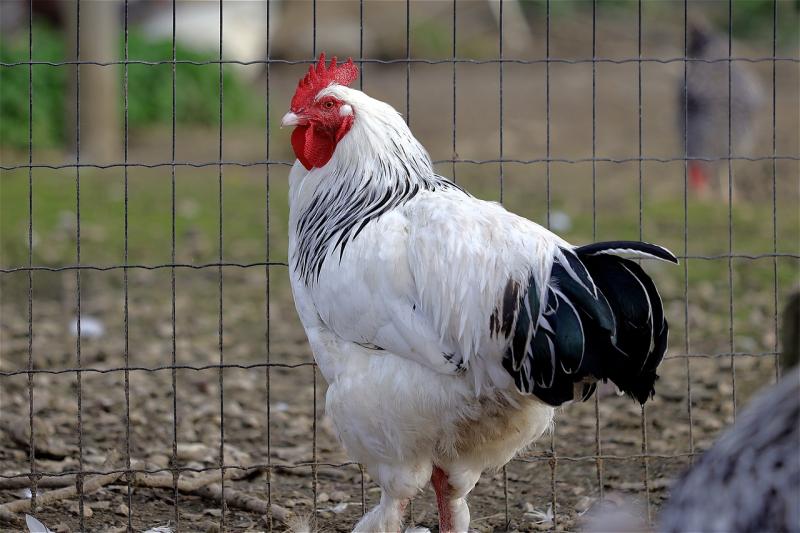
If you're looking for a steady supply of eggs, consider breeds like the Leghorn or Rhode Island Red. These gals are known to produce a lot of eggs, and they’re hardy too. Plus, they adapt well to different environments, whether you live in the country or in a suburban backyard.
On the flip side, if you want friendly feathered friends, think about Silkies or Orpingtons. They’re gentle and enjoy interacting with humans, making them ideal if you're looking for pets as much as egg layers. Silkies also stand out with their fluffy appearance, which can be a delightful addition to your garden.
Don’t forget about the climate in your area, too. Some breeds handle heat better, while others thrive in cooler weather. The Plymouth Rock is a solid choice for varying temperatures, while Australorps are known for their resilience in the warmth.
Take your time to research and even talk to local chicken keepers. Understanding what breeds work best for your specific situation will lead to a happy and productive flock!
Creating a Cozy Coop Setup
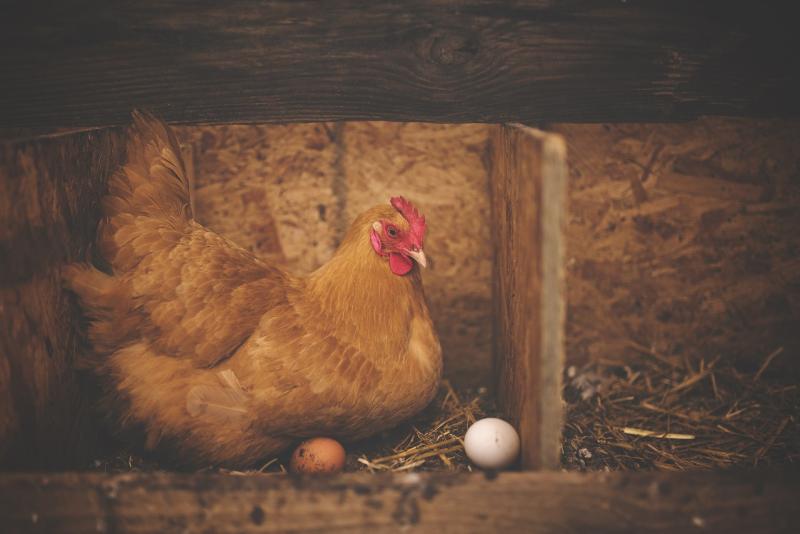
Inside the coop, add comfortable nesting boxes for those lovely eggs. Each box should be about a foot square and placed in a quiet, dark area. Your hens will thank you with fresh eggs! Don’t forget bedding material like straw or pine shavings. This keeps the area clean and gives them something soft to settle on at night.
Chickens love to scratch and peck, so a designated run outside the coop is a must. Fencing should be secure to protect them from any curious predators. You can add some fun accessories like perches for them to roost on or dust baths for their grooming. A little landscaping with plants like grass or clover will give them something to explore.
Lastly, keep fresh water and feed easily accessible. Automatic waterers are a game changer because they ensure your flock stays hydrated without constant refills. Choose a high-quality feed that meets their nutritional needs for maximum health. With a cozy, well-thought-out setup, your chickens will thrive and bring joy to your backyard.
Feeding Your Chickens the Best
Feeding your chickens the right food is super important for keeping them happy and healthy. Chickens need a balanced diet to lay eggs, stay energetic, and have shiny feathers. So, what should you feed them? Here’s a quick rundown.
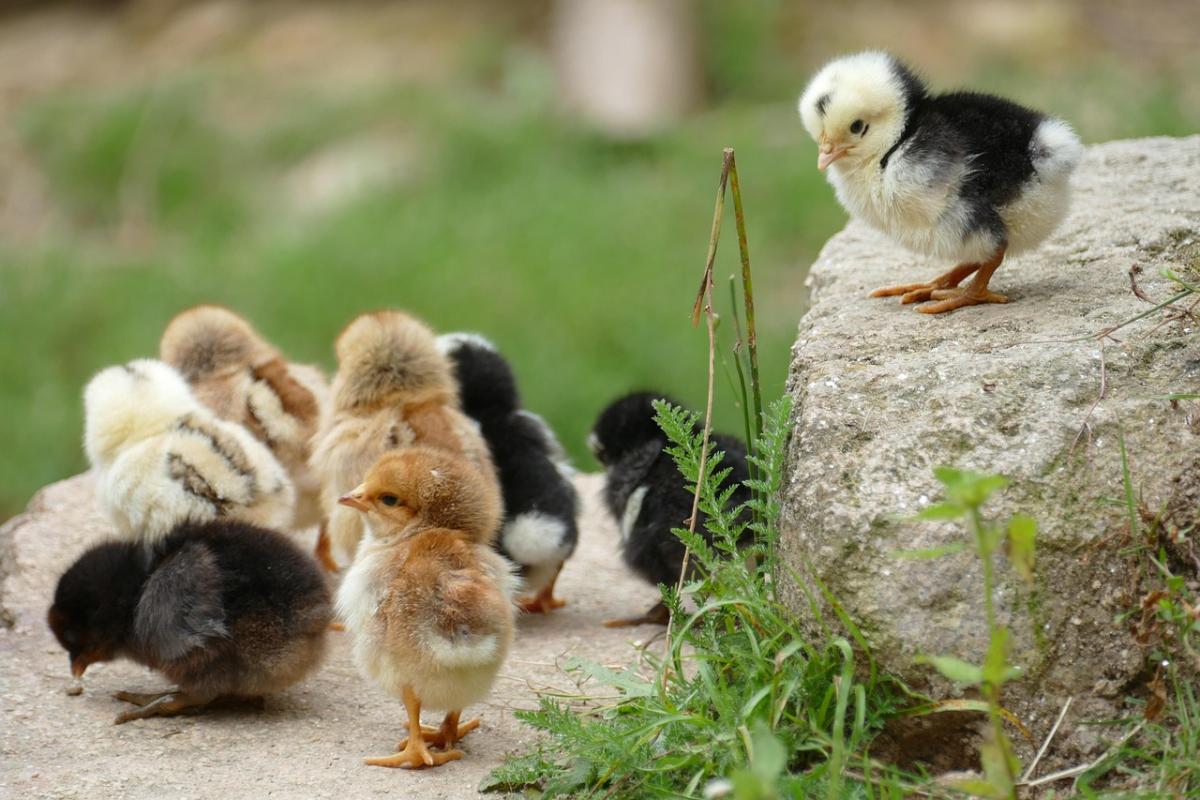
First up is chicken feed. Look for a good quality layer feed that’s packed with nutrients. It usually contains a mix of grains, protein, and vitamins. You can also find starter feed for chicks and grower feed for younger birds. It's all about giving them what they need at different stages of life.
Don’t forget about grit! Chickens can’t chew food like we do, so they need grit to help grind up their food in their gizzards. A little container of grit is a must-have in their coop.
Water is essential too. Make sure they always have access to fresh, clean water. Chickens drink a lot, especially on warm days, so keep their water supply topped up. Happy chickens drink well!
Ensuring Health and Happiness
Keeping your chickens healthy and happy is all about meeting their basic needs. A good chicken coop is your first step. Make sure it's spacious, well-ventilated, and safe from predators. Chickens love to roam, so provide them with enough room to stretch their wings and explore. If they feel cramped, they can get stressed out.
Next on the list is a balanced diet. Chickens enjoy a mix of grains, pellets, and fresh greens. Look for feed with essential nutrients to keep their feathers shiny and their energy levels up. Don't forget to throw in some treats like mealworms or fruits! They’ll love pecking at them, plus it’s a great way to bond with your flock.
Fresh water is a must. Chickens drink a lot, especially in warmer weather. Make sure their water source is clean and accessible at all times. You wouldn't want them to get dehydrated. Keep an eye on their water supply, especially during hot days or if you're out and about.
Social interaction is just as important. Chickens are social creatures and thrive in a group. When you're raising them, spend time with your flock. Talk to them, feed them by hand, and observe their quirks. Happy chickens will reward you with joyful clucks and plenty of eggs!
Lastly, regular health checks go a long way. Look out for signs of illness, like changes in behavior or appetite. Keep an eye on their feathers and eyes. If you notice something off, consult a vet who specializes in poultry. Catching issues early can save you a lot of trouble later on!