Chickens start laying eggs at different ages depending on their breed and environment. Generally, you can expect your hens to lay their first eggs between 5 to 6 months old. Some breeds, like the Leghorn, can start as early as 16-17 weeks, while others, like the Orpington, may take a bit longer, around 7 months.
As your hens approach this magical age, you’ll notice changes in their behavior. They might become more vocal and more curious. They'll also start to develop their combs and wattles, which will get brighter and larger as they mature. Keep an eye on them; they’re getting ready to give you those delicious eggs!
The environment plays a big role in egg production, too. Hens need plenty of light to kick-start their laying cycle. Ideally, they need about 14 to 16 hours of daylight. If it's winter and the days are shorter, you might want to consider using a light in the coop to keep them laying consistently.
Diet is also super important. A balanced diet rich in protein and calcium helps hens lay healthily. Make sure they’re getting a quality layer feed—it really makes a difference. Happy hens are more likely to lay eggs regularly and stay healthy!
Signs Your Chicken is Ready to Lay
Knowing when your chicken is ready to lay eggs can feel like a guessing game, but there are some clear signs to watch for. Typically, hens start laying when they're about 5 to 6 months old, depending on the breed. Keep an eye on these indicators that show your girl is preparing to start her egg-laying journey!
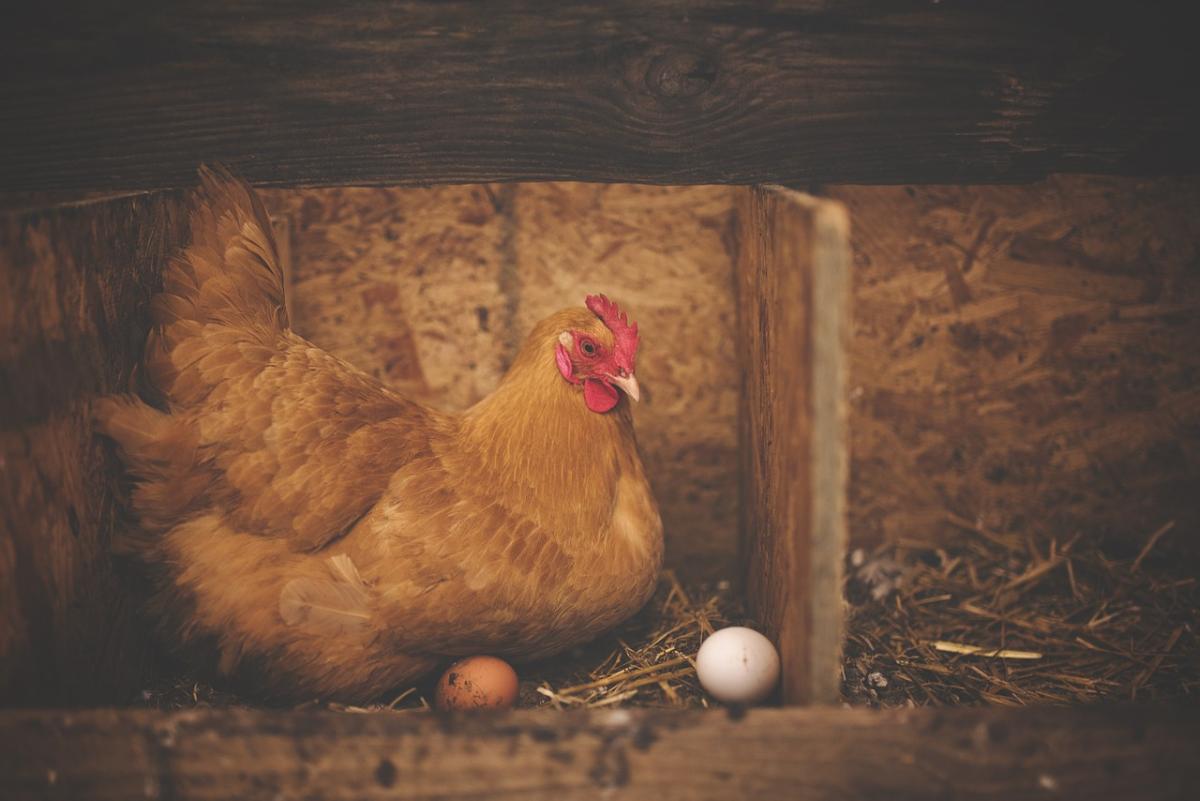
First up, observe her behavior. A hen ready to lay will become more social and might be more vocal than usual. You’ll likely see her scratching around and exploring her space more actively. If she starts nesting or hanging out in the coop's nesting boxes, that's a big sign she’s ready to get down to business.
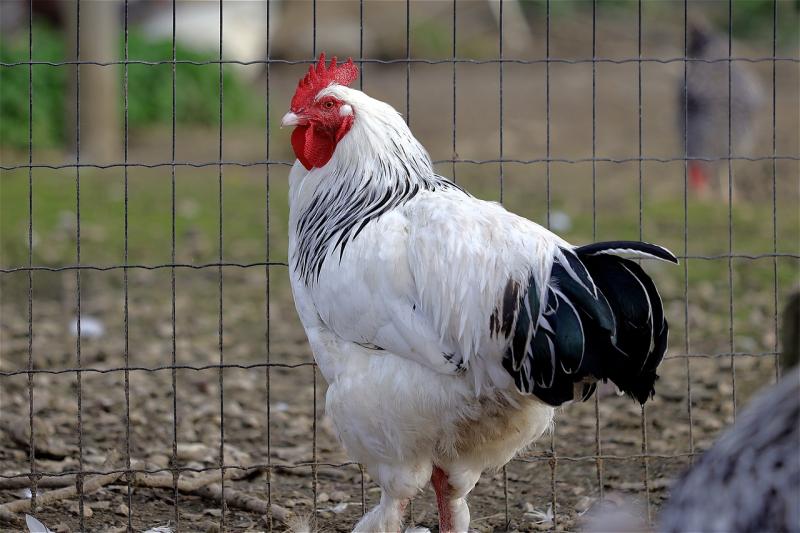
Next, check her physical changes. Around the time she’s gearing up to lay, you'll notice her comb (the fleshy red part on top of her head) and wattles (the flaps under her beak) will become bigger and redder. The change in color and size shows she's reaching sexual maturity. Also, her body will feel rounder and fuller, especially around her pelvic bones, which will begin to spread apart to make room for those eggs!
Lastly, note her eating habits. A hen about to lay eggs will increase her food intake, as she needs extra energy and nutrients to produce those delicious eggs. If she seems hungrier and is eating more than usual, that’s a sure sign she's on the verge of laying!
Factors That Affect Egg Laying
When it comes to egg laying, several factors come into play. First off, the breed of your chicken matters a lot. Some breeds, like the Leghorn, are prolific layers and can start laying eggs as early as 5 months old. Others, like Brahmas, take a bit longer to start. So, if you’re picking a breed, keep their egg-laying potential in mind.
Another big player is the season. Chickens are influenced by the amount of daylight they receive. Generally, they lay more eggs in spring and summer when the days are longer. As daylight decreases in fall and winter, egg production can slow down, especially if your birds don’t have artificial light to coax them along.
Keep an eye on their health and nutrition too. Chickens need a balanced diet to lay well. A quality layer feed is crucial, along with access to fresh water. If they feel off, whether due to illness or stress, their egg-laying can drop significantly. Make sure they have a stress-free environment with plenty of space to move around, dust baths, and perches.
Lastly, age plays a role in egg production. Young hens, called pullets, usually start laying eggs between 5 and 6 months. Their peak production happens between 1 and 2 years of age. After that, the frequency of egg laying can decline, but many hens still produce for several years. Keeping all these factors in check helps you enjoy a steady supply of fresh eggs!
Average Age for Different Breeds
When it comes to chicken breeds, the age at which they start laying eggs can really vary. Some breeds mature quickly, while others take their sweet time. Here’s a quick rundown of some popular breeds and their average ages for laying:
Keep in mind, factors like diet, environment, and overall health can also affect when your chickens start laying. Make sure they have a good setup, and you’ll be rewarded with fresh eggs soon enough!